 Trailhead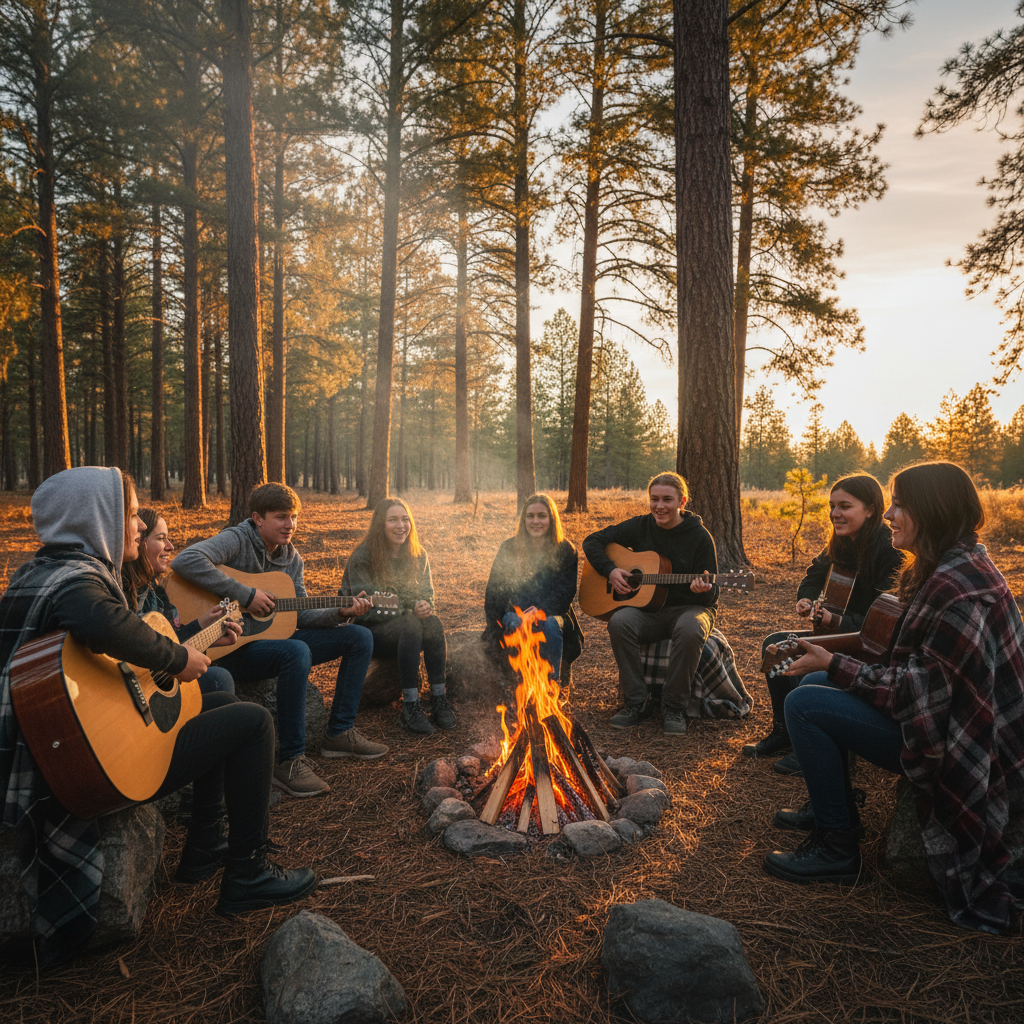
The ridge
where they
find their
voice.
Chair a meeting. Mediate a disagreement. Stand in front of strangers without your voice shaking. Trailhead teaches real leadership skills — at a campfire, not a desk.
"I walked in afraid to raise my hand. I walked out running the whole meeting."

Maya, 14
Trailhead Class of 2025 · Tucson, AZ
Six skills.
A different teenager.
Each badge represents a real challenge completed — not a worksheet filled out. Parents notice the difference within two weeks.
Public Speaking
Stand before the group, deliver a 3-minute case, and field questions without flinching. By the end, silence is just space to think.
Conflict Resolution
Work through a real peer disagreement using structured mediation. Learn to separate position from interest — and actually make it stick.
Meeting Facilitation
Run a 20-minute agenda, keep three side conversations from derailing the group, and close with a decision everyone owns.
Team Navigation
A field challenge where your team hits an obstacle and you have 8 minutes to reroute. Debrief reveals who you are under pressure.
Active Listening
Paired exercises that expose how much we miss when we're rehearsing our reply. A skill every employer, coach, and parent wishes adults had.
Peer Mentorship
Returning members coach first-years through their speaking challenge. Teaching is the deepest form of learning — and they know it.
Mentors who've
been the kid.
Every Trailhead facilitator was once the teenager who couldn't find the words. That's not a coincidence — it's the hiring criteria.

"I don't teach leadership. I create conditions where teenagers discover they already have it."
Darnell Okafor
Lead Facilitator · Southwest Region
Former high school debate coach and wilderness educator. Darnell has run Trailhead circles since the founding cohort. He believes the campfire is the oldest classroom.
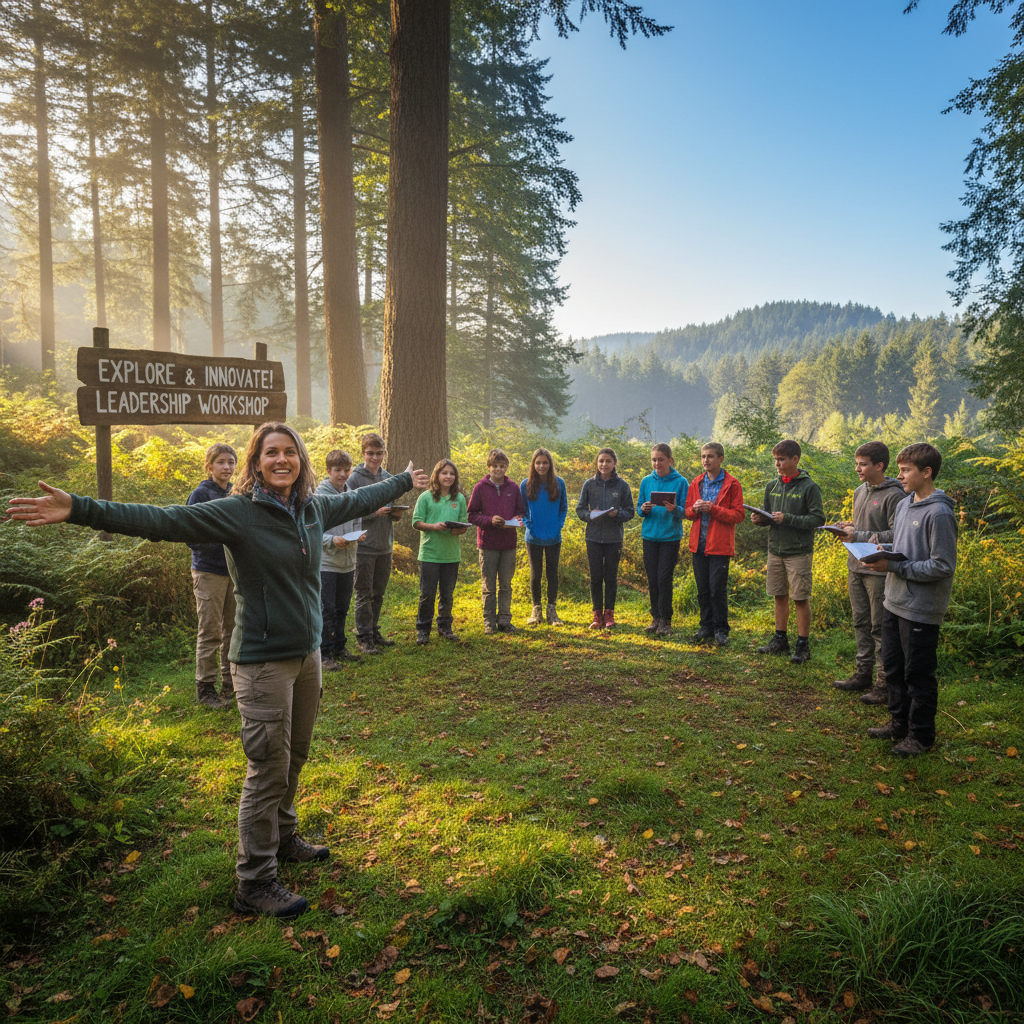
"The moment a 13-year-old mediates their first real conflict — that's not a skill. That's a personality shift."
Priya Nair
Program Director · Pacific Northwest
School counselor turned program designer. Priya built the conflict resolution curriculum from scratch after watching students leave traditional SEL programs unchanged.
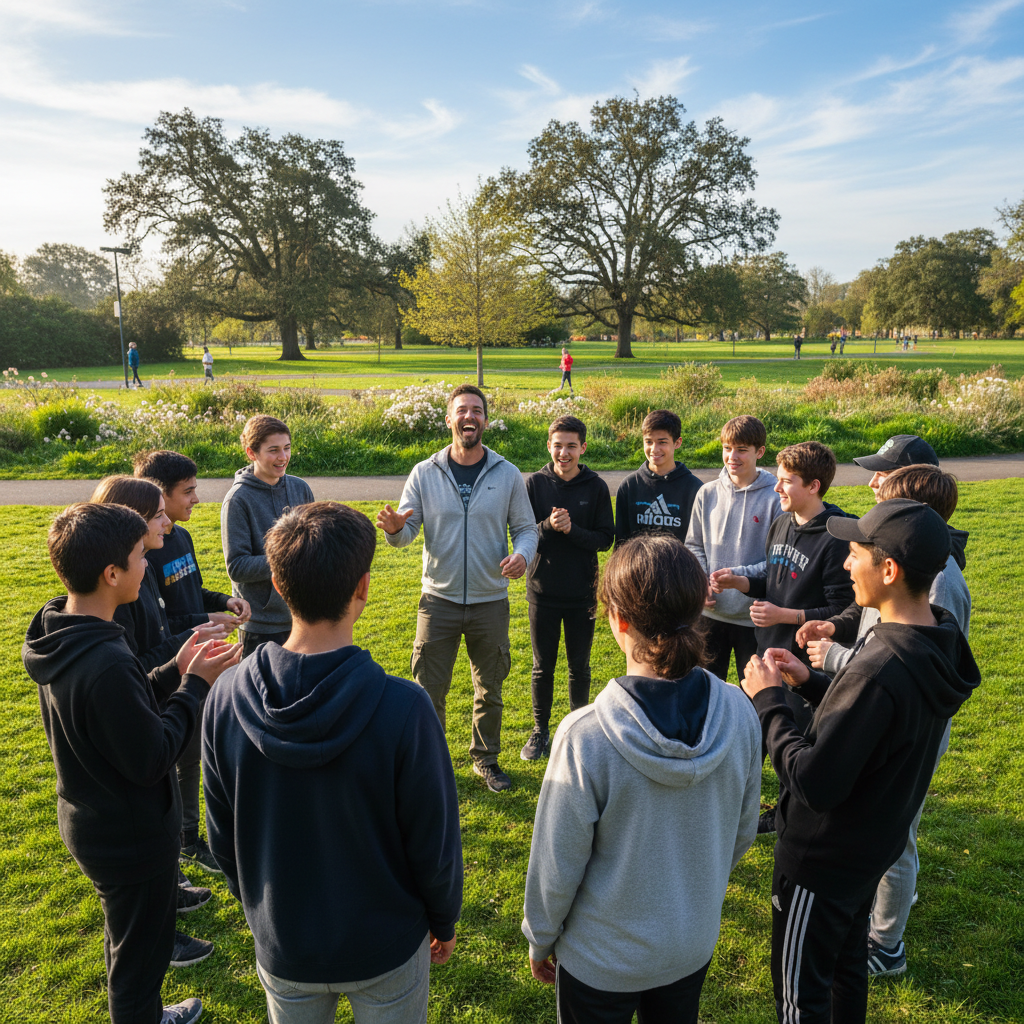
"I was the kid who couldn't speak in class. Now I coach the ones who can't either. It's personal."
Marcus Trevino
Skills Coach · Mountain West
Youth theater director and public speaking coach. Marcus specializes in the physical side of confidence — breath, posture, eye contact — before the words even come.
Find the retreat
nearest the trailhead.
Each cohort caps at 24 teens. Intentionally small. The intimacy is the point.
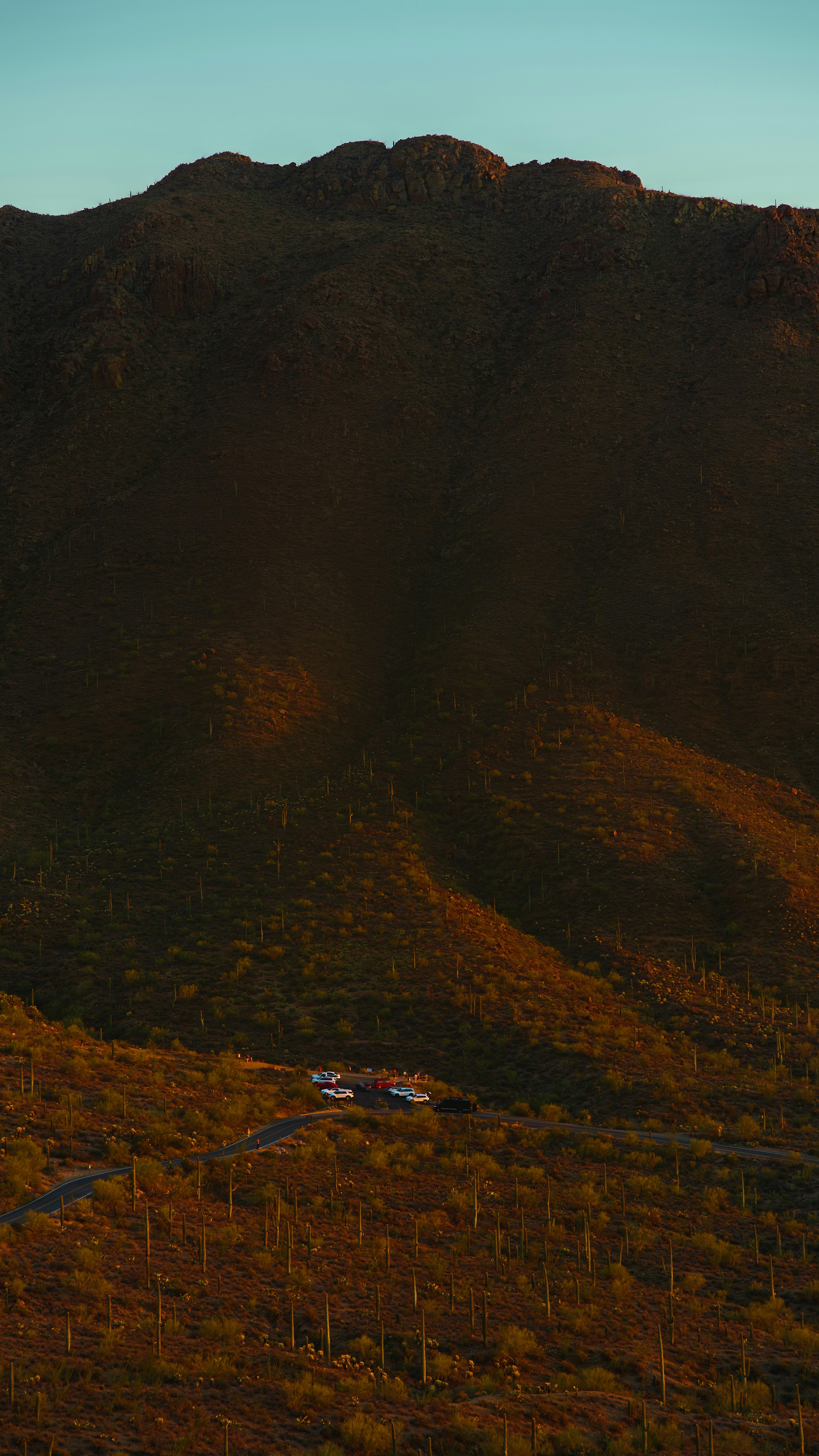
Desert Ridge Weekend
Three days on the high desert. Morning circles, afternoon skill challenges on the trail, evening campfire debrief. The Sonoran backdrop does half the teaching.
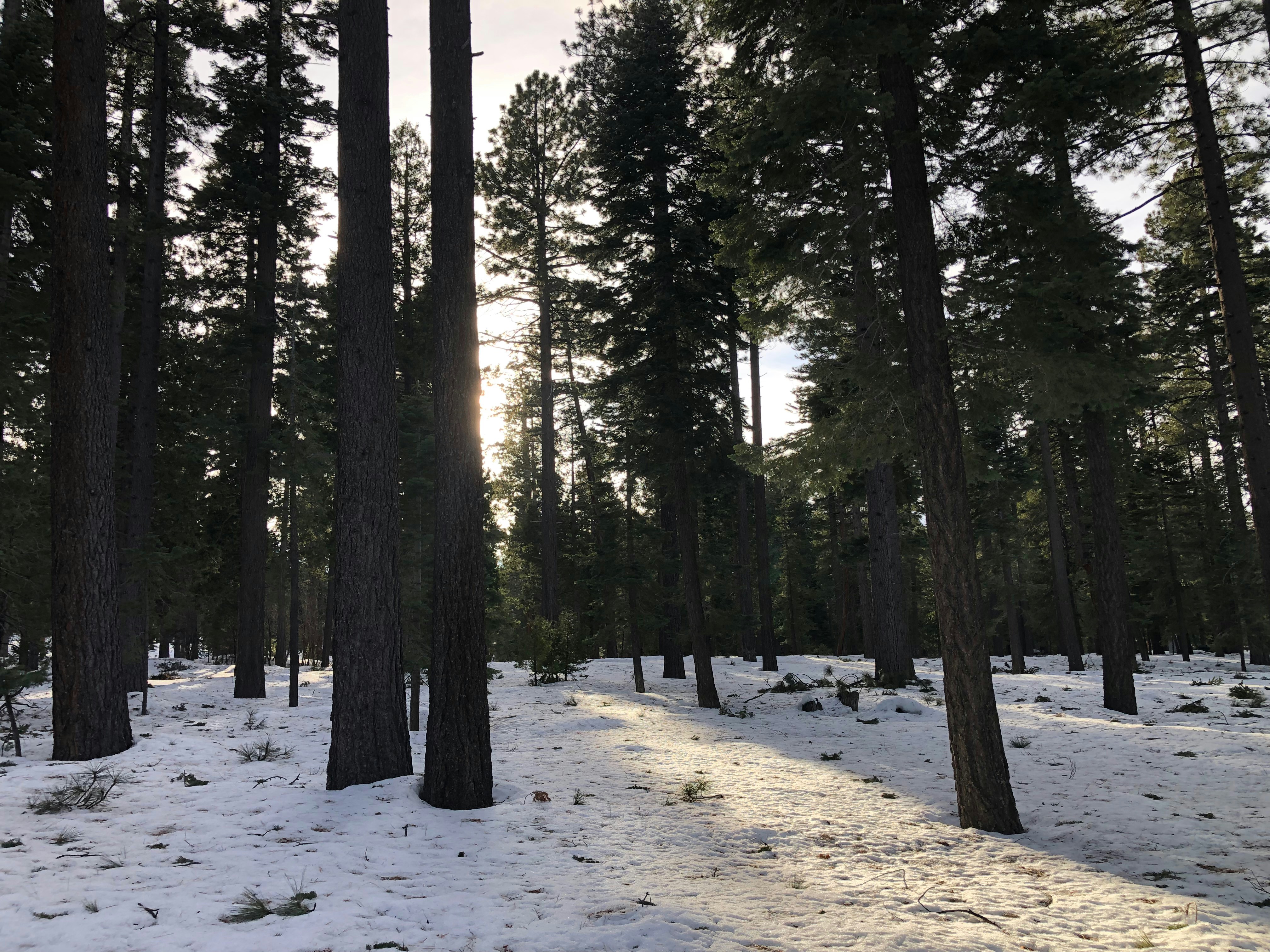
Pine Forest Cohort
Fog-draped mornings and old-growth quiet. This cohort runs the full conflict mediation arc plus a team navigation challenge in the forest. Bring rain layers.
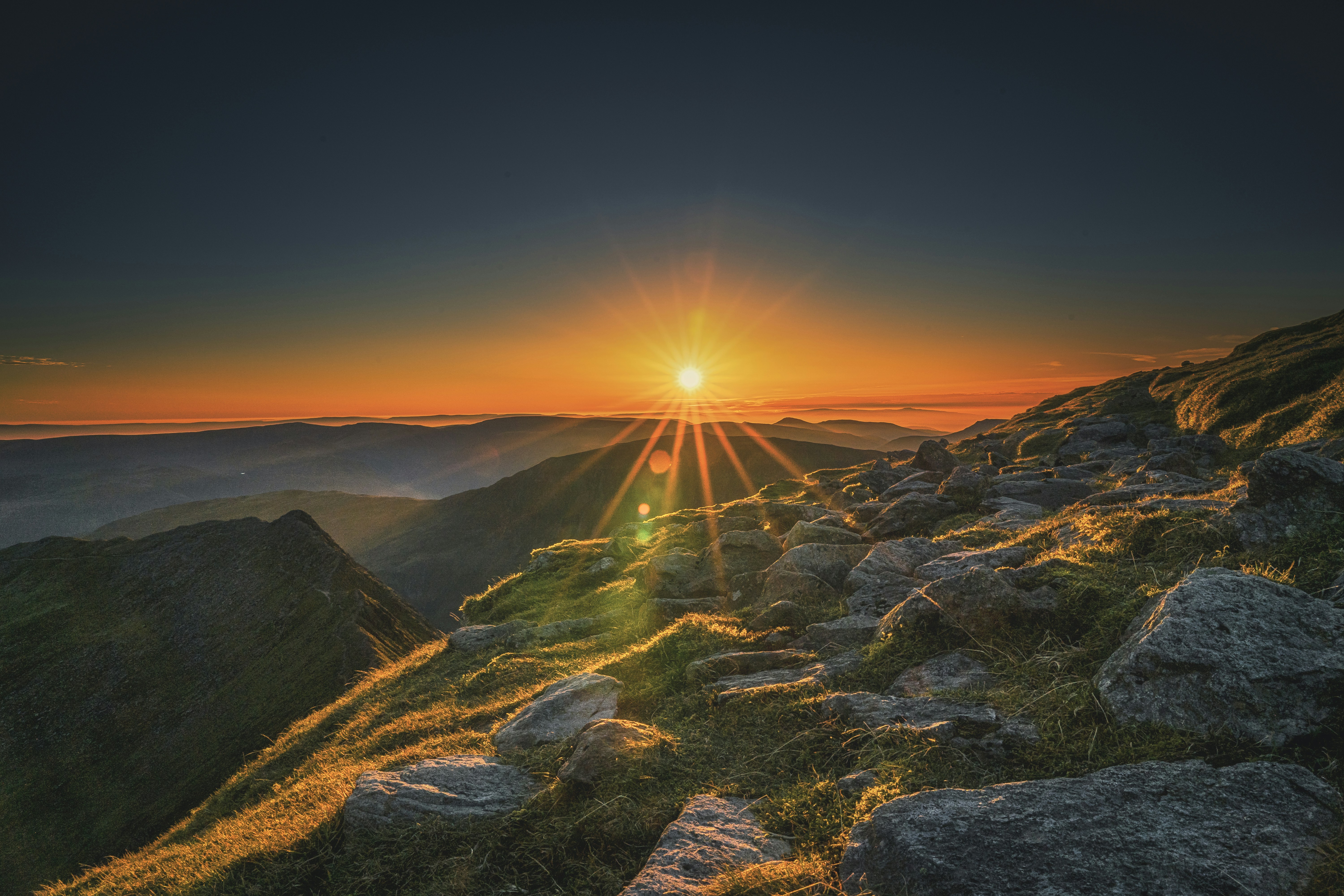
Mountain Summit Circle
High altitude, high stakes. The summit challenge is literal — a half-day hike where the debrief happens at the top. Something about elevation makes teenagers honest.
Local chapters,
national reach.
Trailhead runs in 14 states. If there's no retreat within 90 miles, we'll connect you to the nearest chapter coordinator — or help you start one.
Find my chapter →The best time to
register was last year.
Cohorts fill in order of registration. Most families wait until school ends. The ones who don't — their teens get in.
Not ready to register? Get the Parent Guide in your inbox tonight.
The questions you
actually have at 10pm.
What age range is Trailhead designed for?
Trailhead is built for middle schoolers aged 12–15. The program specifically targets the window before high school when social and leadership identity is most malleable. We've found 13-year-olds respond differently to these challenges than 16-year-olds — there's more openness, less performance.
How are teens selected or nominated?
Most teens come through teacher or school counselor nominations — educators who see potential that isn't yet expressed. Parents can also self-nominate. We don't select for the already-confident; we specifically look for teens who have something to say but haven't found the room to say it yet.
What does a typical weekend retreat look like?
Friday evening: arrival, campfire circle, introductions. Saturday: morning skill sessions (public speaking, conflict mediation), afternoon trail challenge, evening debrief. Sunday: facilitation practice, badge ceremonies, closing circle. Teens leave Sunday afternoon. No phones during sessions — this is intentional and non-negotiable.
Does this count toward school SEL requirements?
Yes, in 11 states Trailhead retreats count toward off-campus SEL enrichment credit. We provide documentation for school coordinators. If your district isn't on the list, email us — we've successfully added 3 new districts in the last year by working directly with coordinators.
What's the cost, and are scholarships available?
The retreat fee is $385 per teen, which covers all programming, meals, and materials. Need-based scholarships cover up to 100% of the fee — we've never turned a teen away for cost. Apply during registration or email us directly. We keep scholarship availability quiet because we don't want it to be a barrier to even asking.
My teen is very shy. Will this be overwhelming?
This program was built for the shy ones. Our facilitators are specifically trained to create psychological safety before challenge. We don't cold-call or put anyone on the spot before they're ready. The structure is graduated — small group first, then larger. The teens who arrive most anxious are often the ones who change most visibly.
Still have questions? We respond within 2 hours on weekdays.
Email us directly →